Muriatic Acid Price: Current Trends & Sector Analysis
Muriatic Acid Price: Current Trends & Sector Analysis
Blog Article
The muriatic acid price landscape is presently experiencing notable fluctuation due to a intricate blend of influences. International logistics issues, increasing component costs, particularly concerning natural gas – a essential feedstock check here – are primarily contributing to the upward pressure. Demand stays relatively strong across different industries, including metallurgy, chemical synthesis, and wastewater management. Regional disparities in costs persist due to transportation costs and regional economic conditions. Analysts predict ongoing market instability in the coming months while long-term stability copyrights on mitigating supply chain constraints and international economic environment.
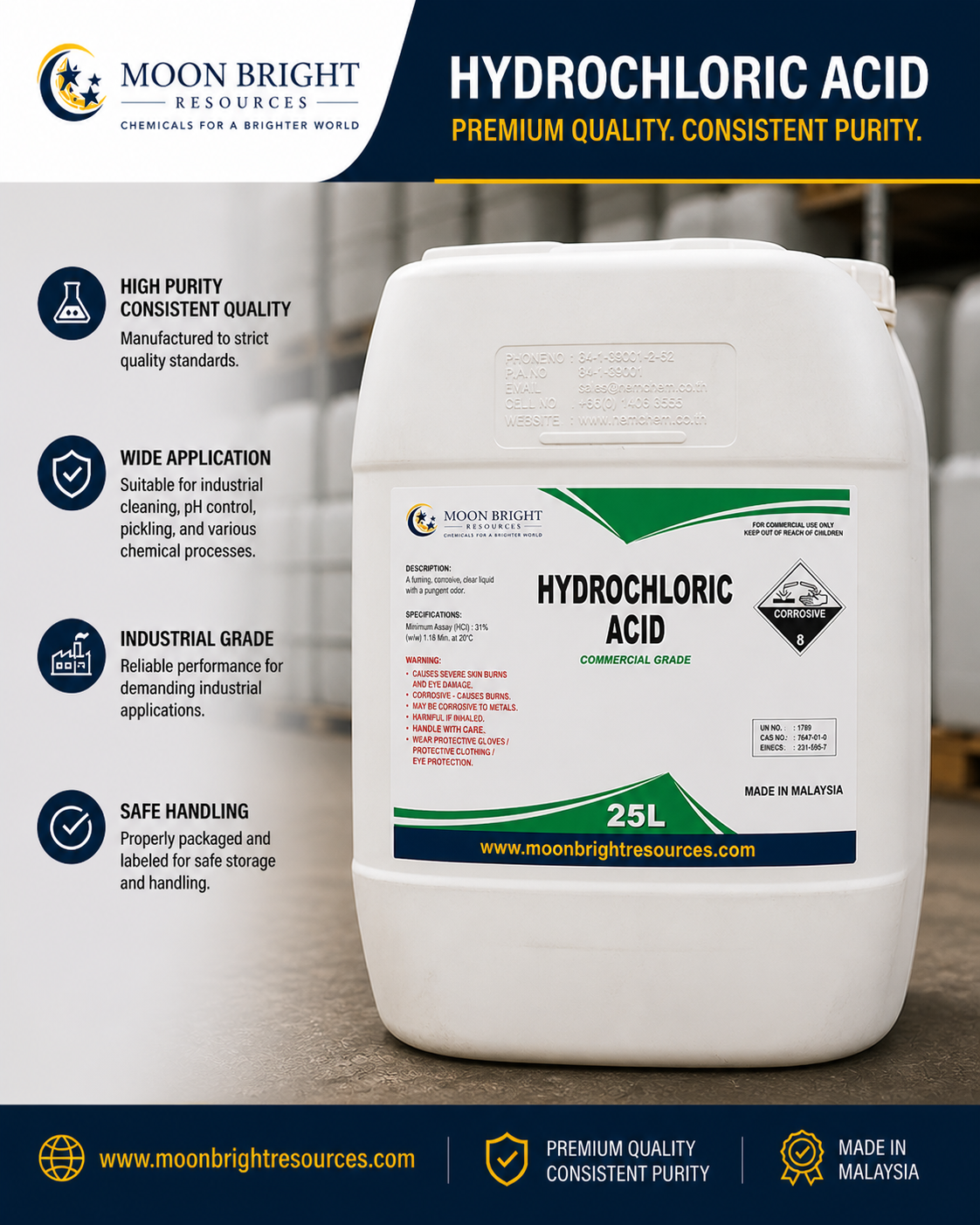
Muriatic Acid Price Per Ton : A Complete Guide
Understanding the fluctuating rate of HCl per metric ton is vital for companies that employ it. Numerous elements impact the value, including feedstock charges, production overheads, shipping fees , and current sales state. Generally, the price can vary significantly, from approximately $low_price_range to $high_price_range per US ton, hinging on concentration, geographic area , and supplier . The guide will discuss such variables in more length, providing information into forecasting future muriatic acid costing movements .
Hydrochloric Acid Bulk Price: Factors Influencing Costs
The recent price of large-scale hydrochloric HCl is considerably affected by a variety of elements . Raw material availability , particularly brine, plays a key function, as it’s the principal feedstock for its production . Energy costs , vital for the chlorine-alkali process , directly influence muriatic acid charges. Transportation expenses , which depend on petroleum rates and infrastructure limitations, also factor to the aggregate charge. Finally, commercial need from various industries like chemical manufacturing and food treatment can create rate fluctuations .
Here's a summary of influencing factors:
- Component Price
- Energy Expenses
- Shipping Fees
- Market Demand
Understanding Hydrochloric Acid Bulk Pricing Strategies
Navigating the complex landscape of hydrochloric HCl bulk pricing can be a keen understanding of several elements. The value of large-volume hydrochloric acquisitions isn't merely a fixed number; it fluctuates based on supply, demand, delivery expenses, and grade specifications. Usually, suppliers offer graduated pricing structures, whereby significant volumes unlock lower each prices. Additionally, long-term agreements frequently secure favorable rates compared to one-time orders. Consider also the effect of exchange rates and any applicable taxes when evaluating quotes from different providers.
Here’s a short look at key considerations:
- Volume Discounts: Substantial shipment sizes usually qualify for sizeable price lowering.
- Contract Deals: Long-term contracts frequently provide better price certainty.
- Delivery Charges: Shipping rates can significantly impact the total value.
- Purity Requirements: Higher grade hydrochloric acid commands a higher value.
Finding Regarding Obtain Muriatic Substance In Large Quantities : Reliable Distributors & Expenses
Securing HCl acid in large volumes requires diligent consideration of distributors. Several industrial businesses offer this product , but selecting a trustworthy supplier is vital. Typical choices include direct industrial suppliers , niche compound firms , and rarely producer deals. Expenses depend significantly based on volume purchased , purity , transportation destination , and current pricing. Expect prices to be from approximately $ $0.60 to $ $2.50 a gallon for commercial quality , with substantial orders qualifying for quantity savings. Always request bids from various vendors to compare pricing and guarantee advantageous conditions .
Hydrochloric Acid Price Fluctuations: Why Are Influencing the Industry ?
Recent changes in HCl costs have caused significant analysis across various sectors . Several factors are presently fueling these variations . Input costs, particularly linked with chlorine gas and dihydrogen, have seen substantial rises , directly impacting HCl manufacturing outlays . Furthermore, supply chain interruptions , stemming from global situations and regional restrictions, are exacerbating the scenario. Finally, changes in need from vital utilizing fields like wastewater management and chemistry production play a vital part in affecting the overall market condition.
- Raw Material costs
- Supply Chain disruptions
- Need from utilizing sectors